The Troxler Blind Spot
The Troxler Blind Spot

The Troxler Blind Spot: Is Your Company Fading from View?
Written by Stuart McClure • Nov 3, 2025
Did Troxler predict our end?
In 24 months, every company will have access to functionally identical AI tools. AI is not a durable competitive advantage. It's the new electricity.
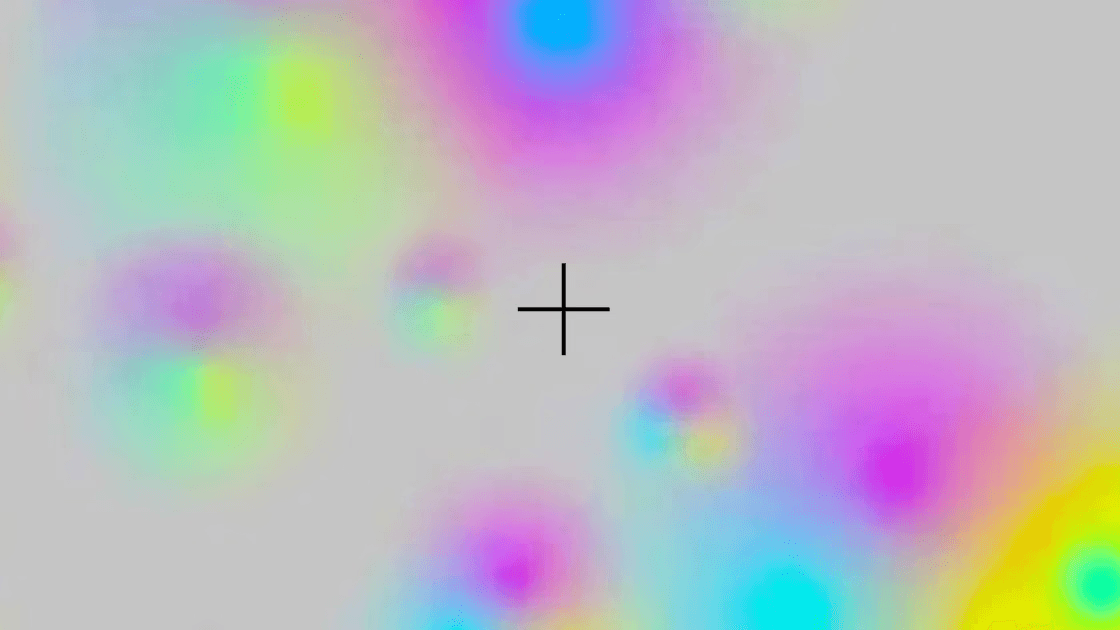
There’s a quirky little phenomenon in visual science called the Troxler Effect. If you stare intently at a single point, the unchanging things in your peripheral vision will slowly start to disappear. Your brain, in its infinite wisdom and ruthless quest for efficiency, decides that static information is useless and just… deletes it from your perception. Our brains naturally prioritize anything “new” over old, and this translates to numerous biases, including Novelty Bias, Innovation Bias, Neomania, and the nearly universal phenomenon of Confirmation Bias.
While Troxler is a neat party trick to highlight our impulsive thinking, it's also the most terrifyingly accurate metaphor for what AI is about to do to your business.
Currently, every leader I speak with is fixated on the new, shining focal point: AI-driven efficiency. And they should be. It’s a revolution. But the longer and harder we stare at the dashboards, the automation, and the instant answers, the more the critical, human parts of our organization risk fading into nothingness.
Creativity, mentorship, and that weird, unquantifiable gut feeling your best product person brings to the messy, brilliant debates lead to the breakthroughs. These human elements are becoming peripheral to us. But they aren't static, and in a world obsessed with automation, they can look static. And just like the Troxler Effect, we're training our brains to stop seeing them.
We've Seen This Before: From Alert Fatigue to Corporate Apathy
In the world of cybersecurity, we have a term for a low-grade version of this: "alert fatigue." For years, security analysts were buried under an avalanche of alerts from dozens of systems. 99.9% of it was noise. The human brain, being the brilliant survival machine it is, adapted by tuning it out. The problem? That one critical alert, the one signaling a massive breach, would get ignored along with the rest. The analysts weren't lazy; their brains were just protecting them from cognitive overload.
We founded Cylance on the principle of using AI to prevent this, to find the signal in the noise before it even becomes an alert. My entire career has been about one thing: prevention. Because, as Einstein said, "Intellectuals solve problems; geniuses prevent them."
Now, I'm seeing the same pattern play out across the entire enterprise, but with a dangerous twist. We aren't just creating alert fatigue; we're on the verge of creating attention apathy. By automating all the routine cognitive tasks, we risk conditioning our teams to become passive observers. We're training them to wait for the machine to flag something, so it can tell them what to do next.
The real danger of AI isn't that it will replace your people. It's that it will teach your people to stop thinking critically. And an organization that doesn't think is already dead; it just hasn't fallen over yet. Recent discussions underscore this, highlighting how valuable skills like creativity, empathy, and strategic thinking cannot be easily separated from the individuals who possess them, implying that atomizing such work can diminish both its nuance and the inherent joy of human contribution.

How to Break the Spell: A CEO's Guide to Seeing the Whole Picture
In the optical illusion, the fix is simple: move your eyes. The second you shift your gaze, the periphery rushes back into view. As leaders, it's our job to build that "gaze shift" into the very rhythm of our companies.
Here are three non-negotiable actions to take right now:
Start Rewarding Better Questions, Not Faster Answers. AI is an answer engine. It's a shortcut machine. That's its job. Your job is to build a culture that values the opposite. The most valuable employee is no longer the one with all the answers; it's the one who uses AI as a sparring partner to ask provocative, challenging, and uncomfortable questions.
Your Move: In your next strategy session, ban the phrase "What does the data say?" and replace it with "What's a question we can ask that the AI can't answer?" Reward the person who stumps the machine, not the one who parrots it.
Instrument for Ingenuity, Not Just Output. Look at your dashboards. They're a sea of efficiency metrics: cycle time, cost per acquisition, lines of code. That's the easy stuff to measure. It's also the least indicative of future success. The real KPIs of the AI age are about human interaction: team coherence, cognitive diversity, and psychological safety. These aren't "soft skills"; they are the core metrics of an innovation engine.
Your Move: Mandate that every major project proposal include a "Human Alpha" score. How will this project increase collaboration, spark debate, or generate a novel idea that a machine couldn't? Make it a fundamental metric, and tie it to success.
Architect Productive Friction. We're obsessed with creating "frictionless" experiences: smooth workflows, end-to-end integrations. But friction is where learning happens. It's where sparks fly. Serendipity doesn't happen in a perfectly efficient system. We need to deliberately design moments of healthy tension that prompt people to engage with one another, defend their ideas, and think critically.
Your Move: Identify one fully automated process in your company. Just one. And intentionally break it. Replace a report with a mandatory 15-minute conversation between two teams that generally don't speak. You'll be amazed at what you uncover.
The Only Thing That Won't Be a Commodity
Look, in 24 months, every company will have access to functionally identical AI tools. AI is not a durable competitive advantage. It's the new electricity.
The only thing that will differentiate you is the quality of your human attention. As many leaders acknowledge, the companies that prioritize fostering a culture of continuous learning, adaptation, and critical thinking within their human workforce are the ones most likely to thrive.
The companies that thrive won't be the ones with the most innovative systems; instead, they will be the ones that effectively utilize them. They'll be the ones with the broadest view, the ones who mastered the art of looking away from the glowing dot to see the whole, messy, beautiful, and profitable picture. They'll be the ones who remember that you don't build a great company by preventing mistakes, but by controlling the conditions where people stop thinking for themselves.
The Troxler Blind Spot: Is Your Company Fading from View?
Written by Stuart McClure • Nov 3, 2025
Did Troxler predict our end?
In 24 months, every company will have access to functionally identical AI tools. AI is not a durable competitive advantage. It's the new electricity.
There’s a quirky little phenomenon in visual science called the Troxler Effect. If you stare intently at a single point, the unchanging things in your peripheral vision will slowly start to disappear. Your brain, in its infinite wisdom and ruthless quest for efficiency, decides that static information is useless and just… deletes it from your perception. Our brains naturally prioritize anything “new” over old, and this translates to numerous biases, including Novelty Bias, Innovation Bias, Neomania, and the nearly universal phenomenon of Confirmation Bias.
While Troxler is a neat party trick to highlight our impulsive thinking, it's also the most terrifyingly accurate metaphor for what AI is about to do to your business.
Currently, every leader I speak with is fixated on the new, shining focal point: AI-driven efficiency. And they should be. It’s a revolution. But the longer and harder we stare at the dashboards, the automation, and the instant answers, the more the critical, human parts of our organization risk fading into nothingness.
Creativity, mentorship, and that weird, unquantifiable gut feeling your best product person brings to the messy, brilliant debates lead to the breakthroughs. These human elements are becoming peripheral to us. But they aren't static, and in a world obsessed with automation, they can look static. And just like the Troxler Effect, we're training our brains to stop seeing them.
We've Seen This Before: From Alert Fatigue to Corporate Apathy
In the world of cybersecurity, we have a term for a low-grade version of this: "alert fatigue." For years, security analysts were buried under an avalanche of alerts from dozens of systems. 99.9% of it was noise. The human brain, being the brilliant survival machine it is, adapted by tuning it out. The problem? That one critical alert, the one signaling a massive breach, would get ignored along with the rest. The analysts weren't lazy; their brains were just protecting them from cognitive overload.
We founded Cylance on the principle of using AI to prevent this, to find the signal in the noise before it even becomes an alert. My entire career has been about one thing: prevention. Because, as Einstein said, "Intellectuals solve problems; geniuses prevent them."
Now, I'm seeing the same pattern play out across the entire enterprise, but with a dangerous twist. We aren't just creating alert fatigue; we're on the verge of creating attention apathy. By automating all the routine cognitive tasks, we risk conditioning our teams to become passive observers. We're training them to wait for the machine to flag something, so it can tell them what to do next.
The real danger of AI isn't that it will replace your people. It's that it will teach your people to stop thinking critically. And an organization that doesn't think is already dead; it just hasn't fallen over yet. Recent discussions underscore this, highlighting how valuable skills like creativity, empathy, and strategic thinking cannot be easily separated from the individuals who possess them, implying that atomizing such work can diminish both its nuance and the inherent joy of human contribution.
How to Break the Spell: A CEO's Guide to Seeing the Whole Picture
In the optical illusion, the fix is simple: move your eyes. The second you shift your gaze, the periphery rushes back into view. As leaders, it's our job to build that "gaze shift" into the very rhythm of our companies.
Here are three non-negotiable actions to take right now:
Start Rewarding Better Questions, Not Faster Answers. AI is an answer engine. It's a shortcut machine. That's its job. Your job is to build a culture that values the opposite. The most valuable employee is no longer the one with all the answers; it's the one who uses AI as a sparring partner to ask provocative, challenging, and uncomfortable questions.
Your Move: In your next strategy session, ban the phrase "What does the data say?" and replace it with "What's a question we can ask that the AI can't answer?" Reward the person who stumps the machine, not the one who parrots it.
Instrument for Ingenuity, Not Just Output. Look at your dashboards. They're a sea of efficiency metrics: cycle time, cost per acquisition, lines of code. That's the easy stuff to measure. It's also the least indicative of future success. The real KPIs of the AI age are about human interaction: team coherence, cognitive diversity, and psychological safety. These aren't "soft skills"; they are the core metrics of an innovation engine.
Your Move: Mandate that every major project proposal include a "Human Alpha" score. How will this project increase collaboration, spark debate, or generate a novel idea that a machine couldn't? Make it a fundamental metric, and tie it to success.
Architect Productive Friction. We're obsessed with creating "frictionless" experiences: smooth workflows, end-to-end integrations. But friction is where learning happens. It's where sparks fly. Serendipity doesn't happen in a perfectly efficient system. We need to deliberately design moments of healthy tension that prompt people to engage with one another, defend their ideas, and think critically.
Your Move: Identify one fully automated process in your company. Just one. And intentionally break it. Replace a report with a mandatory 15-minute conversation between two teams that generally don't speak. You'll be amazed at what you uncover.
The Only Thing That Won't Be a Commodity
Look, in 24 months, every company will have access to functionally identical AI tools. AI is not a durable competitive advantage. It's the new electricity.
The only thing that will differentiate you is the quality of your human attention. As many leaders acknowledge, the companies that prioritize fostering a culture of continuous learning, adaptation, and critical thinking within their human workforce are the ones most likely to thrive.
The companies that thrive won't be the ones with the most innovative systems; instead, they will be the ones that effectively utilize them. They'll be the ones with the broadest view, the ones who mastered the art of looking away from the glowing dot to see the whole, messy, beautiful, and profitable picture. They'll be the ones who remember that you don't build a great company by preventing mistakes, but by controlling the conditions where people stop thinking for themselves.
The Troxler Blind Spot: Is Your Company Fading from View?
Written by Stuart McClure • Nov 3, 2025
Did Troxler predict our end?
In 24 months, every company will have access to functionally identical AI tools. AI is not a durable competitive advantage. It's the new electricity.
There’s a quirky little phenomenon in visual science called the Troxler Effect. If you stare intently at a single point, the unchanging things in your peripheral vision will slowly start to disappear. Your brain, in its infinite wisdom and ruthless quest for efficiency, decides that static information is useless and just… deletes it from your perception. Our brains naturally prioritize anything “new” over old, and this translates to numerous biases, including Novelty Bias, Innovation Bias, Neomania, and the nearly universal phenomenon of Confirmation Bias.
While Troxler is a neat party trick to highlight our impulsive thinking, it's also the most terrifyingly accurate metaphor for what AI is about to do to your business.
Currently, every leader I speak with is fixated on the new, shining focal point: AI-driven efficiency. And they should be. It’s a revolution. But the longer and harder we stare at the dashboards, the automation, and the instant answers, the more the critical, human parts of our organization risk fading into nothingness.
Creativity, mentorship, and that weird, unquantifiable gut feeling your best product person brings to the messy, brilliant debates lead to the breakthroughs. These human elements are becoming peripheral to us. But they aren't static, and in a world obsessed with automation, they can look static. And just like the Troxler Effect, we're training our brains to stop seeing them.
We've Seen This Before: From Alert Fatigue to Corporate Apathy
In the world of cybersecurity, we have a term for a low-grade version of this: "alert fatigue." For years, security analysts were buried under an avalanche of alerts from dozens of systems. 99.9% of it was noise. The human brain, being the brilliant survival machine it is, adapted by tuning it out. The problem? That one critical alert, the one signaling a massive breach, would get ignored along with the rest. The analysts weren't lazy; their brains were just protecting them from cognitive overload.
We founded Cylance on the principle of using AI to prevent this, to find the signal in the noise before it even becomes an alert. My entire career has been about one thing: prevention. Because, as Einstein said, "Intellectuals solve problems; geniuses prevent them."
Now, I'm seeing the same pattern play out across the entire enterprise, but with a dangerous twist. We aren't just creating alert fatigue; we're on the verge of creating attention apathy. By automating all the routine cognitive tasks, we risk conditioning our teams to become passive observers. We're training them to wait for the machine to flag something, so it can tell them what to do next.
The real danger of AI isn't that it will replace your people. It's that it will teach your people to stop thinking critically. And an organization that doesn't think is already dead; it just hasn't fallen over yet. Recent discussions underscore this, highlighting how valuable skills like creativity, empathy, and strategic thinking cannot be easily separated from the individuals who possess them, implying that atomizing such work can diminish both its nuance and the inherent joy of human contribution.
How to Break the Spell: A CEO's Guide to Seeing the Whole Picture
In the optical illusion, the fix is simple: move your eyes. The second you shift your gaze, the periphery rushes back into view. As leaders, it's our job to build that "gaze shift" into the very rhythm of our companies.
Here are three non-negotiable actions to take right now:
Start Rewarding Better Questions, Not Faster Answers. AI is an answer engine. It's a shortcut machine. That's its job. Your job is to build a culture that values the opposite. The most valuable employee is no longer the one with all the answers; it's the one who uses AI as a sparring partner to ask provocative, challenging, and uncomfortable questions.
Your Move: In your next strategy session, ban the phrase "What does the data say?" and replace it with "What's a question we can ask that the AI can't answer?" Reward the person who stumps the machine, not the one who parrots it.
Instrument for Ingenuity, Not Just Output. Look at your dashboards. They're a sea of efficiency metrics: cycle time, cost per acquisition, lines of code. That's the easy stuff to measure. It's also the least indicative of future success. The real KPIs of the AI age are about human interaction: team coherence, cognitive diversity, and psychological safety. These aren't "soft skills"; they are the core metrics of an innovation engine.
Your Move: Mandate that every major project proposal include a "Human Alpha" score. How will this project increase collaboration, spark debate, or generate a novel idea that a machine couldn't? Make it a fundamental metric, and tie it to success.
Architect Productive Friction. We're obsessed with creating "frictionless" experiences: smooth workflows, end-to-end integrations. But friction is where learning happens. It's where sparks fly. Serendipity doesn't happen in a perfectly efficient system. We need to deliberately design moments of healthy tension that prompt people to engage with one another, defend their ideas, and think critically.
Your Move: Identify one fully automated process in your company. Just one. And intentionally break it. Replace a report with a mandatory 15-minute conversation between two teams that generally don't speak. You'll be amazed at what you uncover.
The Only Thing That Won't Be a Commodity
Look, in 24 months, every company will have access to functionally identical AI tools. AI is not a durable competitive advantage. It's the new electricity.
The only thing that will differentiate you is the quality of your human attention. As many leaders acknowledge, the companies that prioritize fostering a culture of continuous learning, adaptation, and critical thinking within their human workforce are the ones most likely to thrive.
The companies that thrive won't be the ones with the most innovative systems; instead, they will be the ones that effectively utilize them. They'll be the ones with the broadest view, the ones who mastered the art of looking away from the glowing dot to see the whole, messy, beautiful, and profitable picture. They'll be the ones who remember that you don't build a great company by preventing mistakes, but by controlling the conditions where people stop thinking for themselves.